Obesity remains a significant global health challenge, seen as an excessive body fat deposition that can lead to various health complications, including type 2 diabetes, heart problems, and certain cancers. While lifestyle modifications such as diet and exercise are fundamental for weight management, advancements in medical research have led to the development of innovative treatments and medications designed to assist individuals in achieving sustainable weight loss and improving all around health outcomes. This blog explores cutting-edge treatments and medications for obesity, mentioning the latest advances, things of action, and potential benefits for patients determined to manage their weight effectively.
Understanding the Complexity of Obesity
Obesity is a multifactorial condition influenced by ancestral predisposition, environmental factors, socioeconomic status, and attitudinal patterns. It occurs when que es Obesidad energy intake is higher than energy expenditure over an extended period, resulting in the deposition of excess body fat. Obesity improves the risk of developing serious health conditions, including insulin resistance, hypertension, dyslipidemia, snore, osteo arthritis, and psychological disorders, underscoring benefit of effective weight management strategies to mitigate health hazards and improve overall well-being.
Traditional Strategies to Obesity Treatment
Traditional strategies to obesity treatment typically involve lifestyle modifications, including dietary changes, increased physical activity, behavior therapy, and support from healthcare professionals. While these interventions are very important for promoting healthy behaviors, enhancing self-efficacy, and achieving modest weight loss, some individuals might have to have additional support or medical interventions to achieve and sustain scientifically significant weight loss over the long term.
Pharmacological Treatments for Obesity
Pharmacological treatments for obesity try to enhance weight loss efforts by adjusting appetite, reducing diet, increasing satiety, or changing source of nourishment intake. Several classes of medications have been approved by regulatory agencies for treating obesity, each targeting distinct trails involved in energy regulation and metabolism. These medications may be prescribed as part of an extensive weight management plan for those who haven’t achieved adequate weight loss with lifestyle interventions alone or who have obesity-related comorbidities that assure pharmacological therapy.
GLP-1 Receptor Agonists
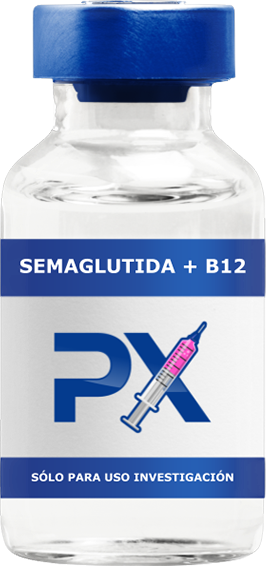
GLP-1 receptor agonists are a class of medications originally developed for treating type 2 diabetes but have shown efficacy to promote weight loss as a supplementary benefit. These medications, such as liraglutide and semaglutide, simulate the action of glucagon-like peptide-1 (GLP-1), a hormone that stimulates insulin secretion, checks glucagon release, delays gastric emptying, and promotes satiety. GLP-1 receptor agonists suppress appetite, reduce diet, and contribute to weight loss by enhancing feelings of bounties and reducing cravings for high-calorie foods. Recent clinical studies have demonstrated significant weight loss outcomes with once-weekly or once-daily products of GLP-1 receptor agonists, making them valuable methods of those that have obesity seeking effective, sustainable weight management strategies.
SGLT-2 Inhibitors
SGLT-2 inhibitors, initially developed for treating type 2 diabetes, have emerged as promising therapeutic methods of obesity because of their capacity to reduce body volume through things independent of insulin action. These medications, such as empagliflozin and dapagliflozin, inhibit sodium-glucose cotransporter-2 (SGLT-2) in the proximal renal tubules, leading to increased urinary sugar and carbohydrates excretion, caloric loss, and mild diuretic effects. SGLT-2 inhibitors promote weight loss, improve glycemic control, and reduce cardiovascular risk factors in those that have obesity and type 2 diabetes. Clinical studies have demonstrated their efficacy in achieving modest to moderate weight discounts, making them suitable adjunctive treatments in combination with diet, exercise, and lifestyle modifications for comprehensive weight management.
Combination Treatments and Dual-Action Medications
Combination treatments and dual-action medications represent innovative strategies to obesity treatment by targeting multiple trails involved in energy regulation and metabolism. Fixed-dose mixtures of medications, such as phentermine/topiramate extended-release (Qsymia), combine appetite suppression with enhanced satiety, resulting in greater weight loss outcomes compared to monotherapy alone. Dual-action medications, such as bupropion/naltrexone (Contrave), target neurotransmitter trails involved in appetite control and reward things, reducing being hungry and promoting sustained weight loss over time. These medications may be prescribed for folks with obesity who have not achieved adequate weight loss with single-agent treatments or who require tailored treatment strategies to address specific metabolic or attitudinal factors adding to weight gain.
Emerging Treatments and Investigational Agents
Research continues to explore novel treatments and investigational agents for obesity treatment, including gut hormone analogs, metabolic regulators, and neurohormonal modulators that influence appetite regulation, energy expenditure, and fat metabolism. Ghrelin receptor antagonists, leptin analogs, and melanocortin-4 receptor agonists are under investigation for their potential role to promote weight loss, reducing diet, and modulating metabolic reactions in those that have obesity. Regenerative medicine approaches, such as mesenchymal originate cell therapy and gut microbiota mind games, offer promising avenues for exploring the complex interplay between host metabolism, microbial diversity, and obesity-related pathophysiology. Clinical studies and translational research efforts try to verify the safety, efficacy, and long-term benefits of these emerging treatments in diverse patient populations, providing the way for future advancements in obesity treatment and personalized medicine approaches.
Patient Selection, Monitoring, and Adherence
Patient selection criteria, monitoring protocols, and adherence to prescribed treatment routines are critical considerations in optimizing obesity treatment outcomes and ensuring patient safety. Healthcare providers evaluate personalized factors such as body mass listing (BMI), obesity-related comorbidities, metabolic guidelines, medication tolerability, and patient preferences when selecting pharmacological treatments for weight management. Regular monitoring of weight, body arrangement, metabolic indicators, and adverse effects helps healthcare providers assess treatment efficacy, adjust interventions as needed, and support patients in achieving sustainable weight loss goals. Patient education, counseling, and attitudinal support are integral components of comprehensive obesity management programs that promote treatment adherence, encourage healthy lifestyle behaviors, and encourage individuals to make informed decisions about their health and well-being.
Conclusion: Advancing the future of Obesity Treatment
Innovative treatments and medications for obesity represent a promising frontier in medical research and clinical practice, offering new therapeutic options, personalized approaches, and multidisciplinary strategies for managing excess body volume and improving metabolic health. From GLP-1 receptor agonists and SGLT-2 inhibitors to combination treatments and investigational agents, ongoing advancements in pharmacotherapy try to address the complex nature of obesity, enhance treatment efficacy, and reduce the burden of obesity-related complications on global health. By taking on evidence-based interventions, advocating for patient-centered care, and encouraging collaborative research efforts, healthcare providers, researchers, and policymakers can work together to improve obesity treatment outcomes, promote health fairness, and encourage individuals to achieve sustainable weight loss and improved quality lifestyle for years into the future.
