Introduction: Defining the problem and measuring its scale
I start by defining what we mean by an automatic case packer: a machine that groups products, places them into cases, and seals them—fast and consistently. In many mid-size plants, an automatic case packer replaces a cluster of manual stations and can raise output by 2–5× within weeks. Picture a line where throughput hangs on one tired operator: that’s the scenario. Recent plant audits I’ve seen report waste rates of 6–12% on manual lines and labor costs that spike during peak seasons (those peaks matter). So the question I ask is simple: can a machine reliably cut waste and raise throughput without creating new headaches? I’ll walk through data, real gaps in older solutions, and what to watch for next. Now, let’s dig into the real frictions that make or break these projects—then decide what comes after.
Where traditional solutions stumble: the hidden pains
Why do conventional packers keep causing downtime?
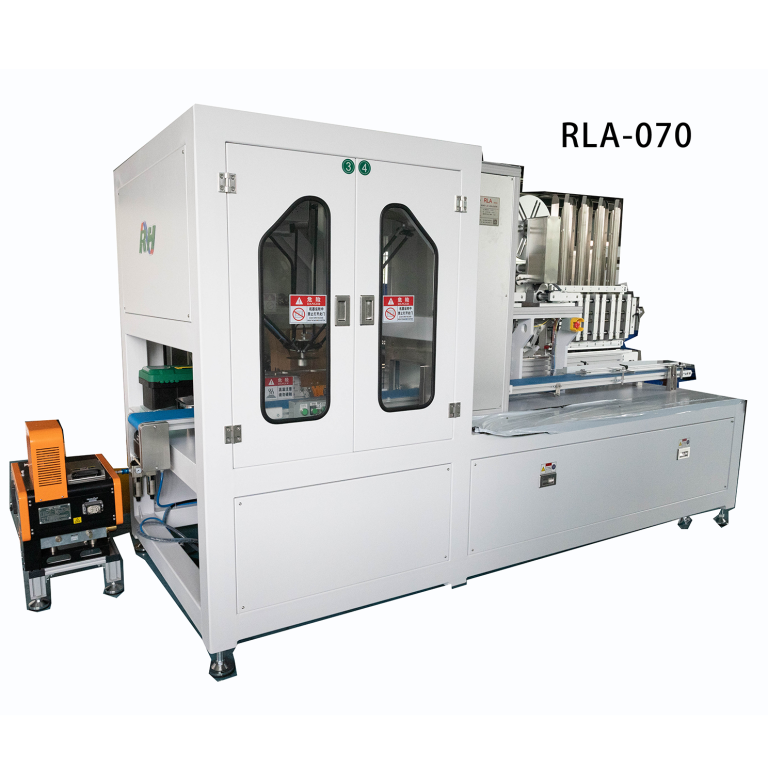
When I first inspected a line retrofitted with an automatic case packer machine, the promise on paper didn’t match shop-floor reality. Old designs assume steady product flow and minimal changeovers. They ignore jitter — slight variations in box size, film stretch, or a sticky cap. The result: frequent jams, misfeeds, and manual intervention. I call these “soft failures” because they don’t break the PLC but they grind throughput to a halt. Industry terms matter here: servo motors hunting for position, PLC logic loops that aren’t tolerant, and conveyor integration mismatches. Each one multiplies downtime.
Look, it’s simpler than you think—operators don’t need to be electricians, but they do need predictable behavior from machines. In practice I’ve seen wasted cycles from mismatched pick-and-place heads, sensors fouled by dust, and packaging variants that the control system never learned. The real pain is invisible: constant micro-stops that lower effective throughput and create a steady drumbeat of frustration. We feel it on the line; management sees the overtime invoices. If manufacturers don’t address these soft spots, even an advanced automatic case packer machine can end up underused.
New principles and what to look for next
What’s Next: smarter mechanics + smarter controls?
Moving forward, I recommend focusing on three technology principles that actually change results. First, adaptive control: systems that tune servo behavior in real time to product variance. Second, modular mechanics: swap a pick-and-place head in minutes rather than hours. Third, diagnostic visibility: clear HMI alerts and historical logs so you fix root causes, not symptoms. When an automatic case packer machine follows those principles, you get fewer surprises—fewer nights spent debugging.
Practically speaking, here are three evaluation metrics I use before recommending a solution: 1) Mean time to recover (MTTR) — how long till the line runs again after a fault; 2) Changeover time — minutes to switch SKU; 3) Effective throughput — actual cases per hour under realistic conditions. Test the vendor on those. Also ask for a staged pilot run; I’ve seen pilots reveal real issues—funny how that works, right? Choose machines with flexible PLC recipes, clear HMI screens, and strong conveyor integration options. Those factors reduce friction and lower the emotional toll on your team. In short: demand machines that are not only fast but also forgiving and transparent.
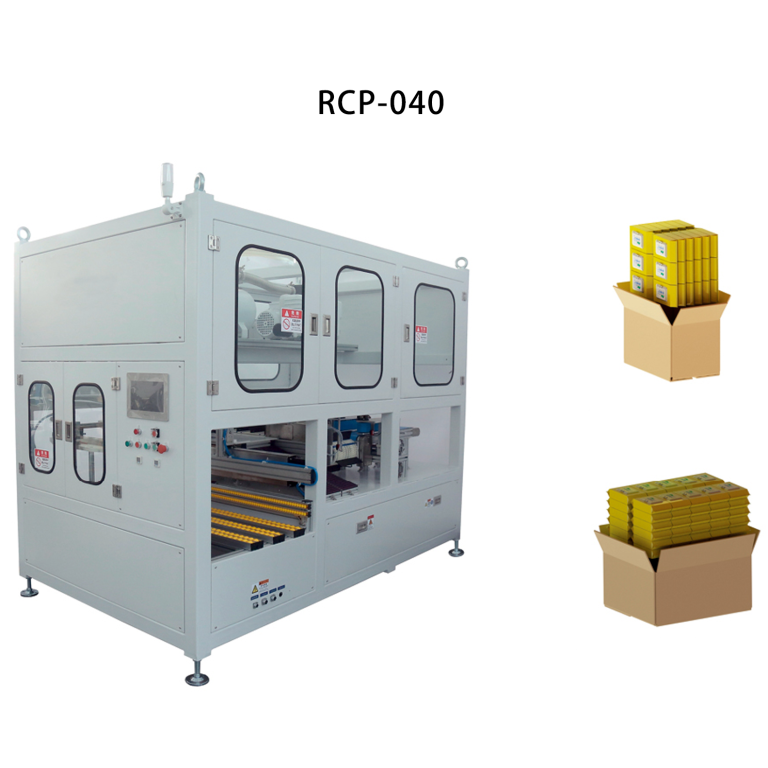
We’ve covered the promise, the pains, and the practical next steps. If you want a partner who builds toward those principles, consider the tools and services from ZLINK. I’ve worked with lines that improved measurable uptime and morale—sometimes the best results are human as much as mechanical.
