How to Choose a Safe and Reliable Online Lottery Platform

1. Investigate the Platform Before Signing Up

Choosing an online lottery platform should begin with research rather than registration. Before creating an account, find out who operates the website, where the company is based, and whether it is legally permitted to provide daftar jonitogel lottery services in your location. A reputable platform should provide clear information about its operator, licensing or regulatory status, terms of service, and eligibility requirements. Do not rely solely on attractive advertisements or promotional offers when deciding whether a website is trustworthy. Instead, compare information from official sources and look for a consistent online presence. Be especially cautious when a platform makes extraordinary claims, such as guaranteeing winnings or suggesting that players have a special advantage over other participants. A legitimate lottery is based on chance and cannot promise a particular result. Spending some time researching a platform before providing personal or financial information can help you identify potential warning signs and make a more informed choice.

2. Examine the Website’s Security Features

A reliable online lottery platform should take the protection of users’ personal and financial information seriously. Before entering sensitive information, look for a secure connection and review the platform’s privacy and security policies. The website should explain how personal information is collected, stored, and used, while account protection should include appropriate login and verification measures. You should also make sure you are accessing the genuine website rather than a lookalike page designed to steal passwords or payment information. Avoid clicking suspicious links in unsolicited emails, text messages, or social media posts that claim to lead to lottery accounts or prizes. Keeping your own account secure is equally important, so use a strong, unique password and never give your login credentials or verification codes to anyone claiming to represent the lottery. Good security is a shared responsibility, and selecting a platform with transparent security practices is an important first step.

3. Understand Every Cost Before Depositing Money

Financial transparency is one of the clearest signs of a trustworthy online lottery platform. Before adding funds to an account, carefully examine ticket prices, deposit limits, transaction charges, withdrawal conditions, and any other applicable costs. Some platforms may have specific requirements for withdrawing funds, including identity verification or minimum withdrawal amounts, so understanding these conditions in advance can prevent unpleasant surprises. Never assume that every advertised promotion is completely free; read the terms to determine whether a bonus has restrictions or additional requirements. You should also be suspicious if a platform suddenly asks you to send additional money to unlock a prize that you have supposedly already won. Legitimate prize procedures should be explained in advance and should not depend on mysterious payments. Keeping track of how much you deposit and spend can also help you maintain control over your lottery activity and prevent small transactions from becoming a larger financial burden.

4. Check the Platform’s Rules and Prize Procedures

Before playing any lottery game, make sure you understand exactly how it operates and how prizes are handled. Read the rules concerning ticket purchases, number selection, draw schedules, winning combinations, prize amounts, and deadlines for claiming prizes. A dependable platform should make this information readily available instead of hiding important conditions in complicated or difficult-to-find pages. You should also determine what happens if you win, including whether prizes are paid electronically, whether identity verification is required, and whether additional documentation may be necessary for larger prizes. It is useful to understand the applicable tax or legal requirements in your jurisdiction as well. Never assume that an online account automatically guarantees that every prize can be withdrawn immediately. Reading the complete rules before playing gives you a clearer understanding of your rights and responsibilities and allows you to recognize unusual or suspicious requests if they occur later.

5. Choose Transparency Over Attractive Promises

The most reliable online lottery platforms tend to emphasize transparency rather than making unrealistic promises. Attractive bonuses, large jackpots, colorful websites, and aggressive advertisements should never be the main reasons for choosing a platform. Instead, consider whether the operator clearly explains its rules, provides accessible customer support, protects user information, and offers straightforward payment and withdrawal procedures. Look for responsible-play tools that allow users to manage spending or limit their activity where available. Independent user feedback can provide additional insight, although online reviews should be considered carefully because not every review is genuine or unbiased. Most importantly, remember that no legitimate lottery platform can guarantee a win, predict random results, or turn lottery participation into a dependable income source. The safest approach is to verify the operator, understand the costs and rules, protect your account, and only participate where online lottery play is legal and permitted. A trustworthy platform should make you feel informed and in control rather than pressured into spending more money.

How Do Automatic Case Packers Redefine Packing Efficiency Compared to Manual Lines?

Introduction: Defining the problem and measuring its scale

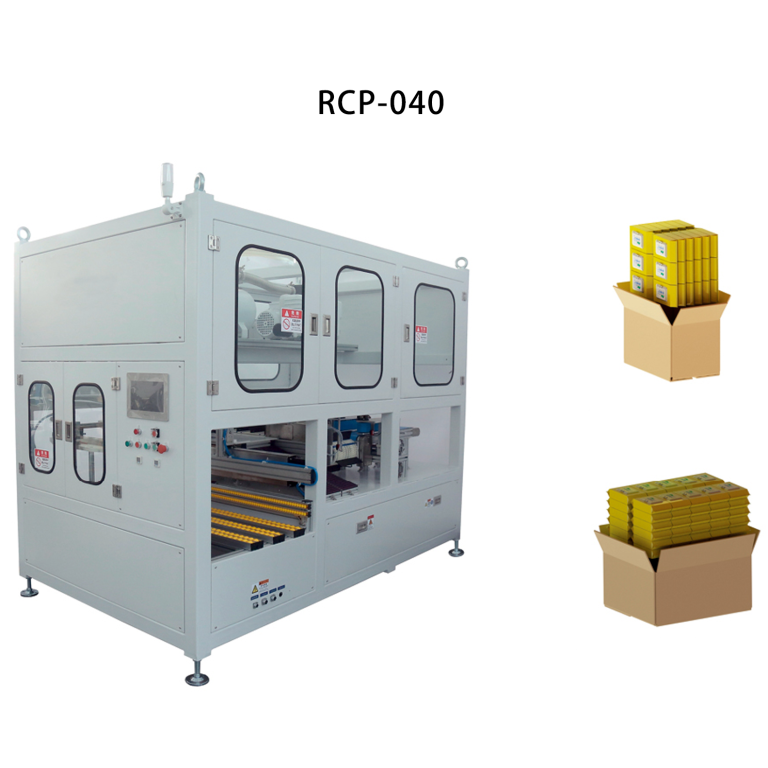
I start by defining what we mean by an automatic case packer: a machine that groups products, places them into cases, and seals them—fast and consistently. In many mid-size plants, an automatic case packer​ replaces a cluster of manual stations and can raise output by 2–5× within weeks. Picture a line where throughput hangs on one tired operator: that’s the scenario. Recent plant audits I’ve seen report waste rates of 6–12% on manual lines and labor costs that spike during peak seasons (those peaks matter). So the question I ask is simple: can a machine reliably cut waste and raise throughput without creating new headaches? I’ll walk through data, real gaps in older solutions, and what to watch for next. Now, let’s dig into the real frictions that make or break these projects—then decide what comes after.

Where traditional solutions stumble: the hidden pains

Why do conventional packers keep causing downtime?

When I first inspected a line retrofitted with an automatic case packer machine, the promise on paper didn’t match shop-floor reality. Old designs assume steady product flow and minimal changeovers. They ignore jitter — slight variations in box size, film stretch, or a sticky cap. The result: frequent jams, misfeeds, and manual intervention. I call these “soft failures” because they don’t break the PLC but they grind throughput to a halt. Industry terms matter here: servo motors hunting for position, PLC logic loops that aren’t tolerant, and conveyor integration mismatches. Each one multiplies downtime.

Look, it’s simpler than you think—operators don’t need to be electricians, but they do need predictable behavior from machines. In practice I’ve seen wasted cycles from mismatched pick-and-place heads, sensors fouled by dust, and packaging variants that the control system never learned. The real pain is invisible: constant micro-stops that lower effective throughput and create a steady drumbeat of frustration. We feel it on the line; management sees the overtime invoices. If manufacturers don’t address these soft spots, even an advanced automatic case packer machine can end up underused.

New principles and what to look for next

What’s Next: smarter mechanics + smarter controls?

Moving forward, I recommend focusing on three technology principles that actually change results. First, adaptive control: systems that tune servo behavior in real time to product variance. Second, modular mechanics: swap a pick-and-place head in minutes rather than hours. Third, diagnostic visibility: clear HMI alerts and historical logs so you fix root causes, not symptoms. When an automatic case packer machine follows those principles, you get fewer surprises—fewer nights spent debugging.

Practically speaking, here are three evaluation metrics I use before recommending a solution: 1) Mean time to recover (MTTR) — how long till the line runs again after a fault; 2) Changeover time — minutes to switch SKU; 3) Effective throughput — actual cases per hour under realistic conditions. Test the vendor on those. Also ask for a staged pilot run; I’ve seen pilots reveal real issues—funny how that works, right? Choose machines with flexible PLC recipes, clear HMI screens, and strong conveyor integration options. Those factors reduce friction and lower the emotional toll on your team. In short: demand machines that are not only fast but also forgiving and transparent.

We’ve covered the promise, the pains, and the practical next steps. If you want a partner who builds toward those principles, consider the tools and services from ZLINK. I’ve worked with lines that improved measurable uptime and morale—sometimes the best results are human as much as mechanical.

How does automating case packing change throughput and worker experience?

Introduction — a small factory moment, some numbers, and a question

Last month I stood in a cramped production bay in Petaling Jaya watching a line slow to a crawl because one person was trying to fold boxes by hand—classic lah, I know. The line had to hit 3,000 cases a day but kept missing by 20% because of manual packing delays and inconsistent box sealing. automatic case packer shows up in this story as the obvious fix in everyone’s head, but the real question is: will it fix everything, and at what cost? (Saya rasa many owners think automation is plug-and-play.)

I admit I get excited by numbers: throughput gains of 30–50% are typical when a plant replaces manual packing with a good automated system, and mean time between failures can double if controls are right. Still, numbers hide human things—workload, fatigue, job reallocation. So I ask: how does an automatic case packer change not just output but the daily work rhythm on the floor—good, bad, or both? This leads us into the deeper parts: what breaks in traditional setups, and which pain points are invisible until you retrofit. Next, let’s look under the hood—why old ways trip us up.

What breaks in traditional lines: hidden flaws and user pain (technical look)

Why do older lines fail when demand rises?

I’ll be blunt: many plants I visit still rely on band-aid fixes—extra hands, overtime, or a faster conveyor belt. When you consider an automatic case packer machine in the first 100 words of your plan, you have to map where the real failure points are. From my experience, the top culprits are poor PLC programming, mismatched servo motors, and pneumatic actuators that are undersized. These are not buzzwords; they directly cause jams, misfeeds, and inconsistent case formation. I’ve seen conveyor belts speed up while case erectors couldn’t keep pace—result: crushed product and wasted hours.

Look, it’s simpler than you think to spot these flaws once you know what to look for. I usually walk the line with three checks: control logic clarity, mechanical timing, and spare-part accessibility. If a PLC ladder is messy, you’ll spend hours debugging intermittent faults. If servo tuning is sloppy, accuracy suffers and rejects climb. And if spare parts take weeks to arrive—wah, production stops. We should also talk about hidden human pain: operators stressed by unpredictable downtime, maintenance teams running emergency fixes at midnight, supervisors losing confidence—these are costs that don’t show on the balance sheet but hurt morale and retention. — funny how that works, right?

Forward-looking perspective: technology principles and practical metrics

What’s Next — principles that matter

When I think about upgrading, I focus on three technology principles: modular design, smart controls, and predictable maintenance. A modern automatic case packer machine should allow quick changeovers, integrate with MES and IoT sensors, and give clear fault diagnostics. In practice that means choosing systems with good HMI, simple servo calibration routines, and accessible pneumatics. We want less firefighting and more planned upkeep. I’ve sat with engineers who swear by edge computing nodes for local analytics—useful, yes, but only if your team can read the data. Otherwise it’s just pretty graphs.

Comparatively, the old-school approach piles complexity into human effort. The new way distributes intelligence to controllers, adds remote diagnostics, and lets operators perform safe, guided interventions. In one case I worked on, installing a modular case packer halved changeover time and cut rejects by 40% within three months. Real results—measurable, and I felt proud to be part of that change. We should plan for training too; automation shifts jobs rather than removes them. — sometimes that transition is messy, but manageable with clear SOPs and hands-on coaching.

To help you decide, here are three key evaluation metrics I recommend you use when comparing solutions: 1) Effective Throughput (cases/hour under real mix conditions), 2) Mean Time to Recover (MTTR) for common faults, and 3) Total Cost of Ownership over five years (including spare parts and training). If you ask me, those three tell you more than a shiny spec sheet. I’ve seen vendors glaze over MTTR—don’t let that happen to you.

In the end, pick a solution that balances solid mechanical design with straightforward controls and real support. We prefer practical, not trendy. If you want a partner who understands these trade-offs, consider checking ZLINK—they’ve been in the field and know the small details that matter.

Artificial Intelligence Transforming Modern Online Casinos

1. The Growing Role of Artificial Intelligence

Artificial intelligence is becoming an increasingly important technology across the online casino industry. Modern platforms can use AI-powered systems to process large amounts of information, automate routine tasks, and situs slot improve digital services. Unlike earlier casino websites that relied heavily on basic software and manual processes, newer platforms can use intelligent systems for customer support, fraud detection, security monitoring, and data analysis. AI can help operators respond to users more quickly while identifying unusual patterns that might otherwise be difficult to detect. However, the introduction of AI also creates new responsibilities around privacy, transparency, and responsible design. The technology can improve efficiency, but it should be implemented in ways that protect users and comply with applicable gambling regulations.

2. AI-Powered Personalization and User Experience

Personalization is one area where artificial intelligence can significantly influence online casino platforms. AI systems can analyze information about how users interact with a website and use that information to organize content or improve navigation. For example, an operator might use automated recommendations to present games or platform features that are relevant to a user’s previous activity. AI can also help customer-service systems provide faster responses to common questions. While personalized interfaces can make platforms easier to navigate, they need to be used carefully in gambling environments. Systems that are designed primarily to encourage longer sessions or increased spending can create concerns about excessive gambling. Responsible implementation should prioritize transparency and user control rather than simply maximizing engagement.

3. Fraud Detection and Account Security

Security is another major area where artificial intelligence can provide useful capabilities. AI systems can monitor account activity and identify patterns that may indicate fraud, unauthorized access, suspicious transactions, or other unusual behavior. For example, an operator could use automated systems to flag an unusual login location or an unexpected change in payment behavior for additional review. These technologies can help security teams respond more efficiently to potential threats. AI can also work alongside encryption, multi-factor authentication, identity verification, and transaction monitoring. However, no technology provides perfect protection. Players should continue to use strong passwords, protect verification codes, avoid suspicious links, and regularly review their account activity.

4. AI and Responsible Gambling

Artificial intelligence may also support responsible gambling initiatives. Operators can potentially use data-driven systems to identify patterns that could indicate risky gambling behavior, such as unusual changes in spending or prolonged sessions. These systems might help trigger appropriate interventions, reminders, or requests for additional checks where required by regulation. However, using AI to monitor gambling behavior raises important questions about privacy, accuracy, and fairness. A system may identify a pattern without fully understanding the circumstances behind it, so automated decisions should be handled carefully. Responsible gambling technology should supplement established safeguards such as deposit limits, spending controls, cooling-off periods, and self-exclusion. The goal should be protecting users and supporting informed decisions rather than using behavioral data solely to increase commercial activity.

5. AI in Customer Support and Platform Operations

Online casinos can use artificial intelligence to automate parts of customer service and everyday platform management. Chat-based systems can answer routine questions about account procedures, game rules, payment methods, and general platform information. AI can also help operators organize large amounts of operational data and identify technical problems more quickly. Automation can reduce response times and allow human support teams to focus on more complex cases. However, users should be able to access human assistance when an issue involves sensitive financial, account, or responsible gambling concerns. Clear communication about whether a user is interacting with an automated system can also improve transparency. AI is most useful when it supports human expertise rather than attempting to replace appropriate human oversight entirely.

6. The Future of AI in Online Casinos

The role of artificial intelligence in online casinos is likely to expand as computing power, data analysis, and machine-learning technologies continue to develop. Future platforms may use AI for more advanced security, personalized interfaces, automated compliance processes, game development, and responsible gambling systems. At the same time, regulators and operators will need to address questions about data protection, algorithmic transparency, fairness, and consumer rights. Players should remain aware that AI-driven personalization does not make casino outcomes predictable or guarantee better results. Gambling games remain subject to their underlying rules and probabilities. Ultimately, artificial intelligence can make online casino platforms faster, more secure, and more sophisticated, but responsible implementation will be essential. The most valuable innovations will be those that improve the user experience while maintaining transparency, privacy, security, and meaningful player control.

Online Lottery vs. Traditional Lottery: What’s the Difference?

1. How Tickets Are Purchased

The biggest difference between an online lottery and a traditional lottery is the way players purchase their tickets. Traditional lottery tickets are usually purchased in person from authorized retailers such as convenience stores, supermarkets, or dedicated lottery outlets. Players typically choose their numbers or request a randomly slot online gacor generated ticket, pay at the counter, and receive a physical ticket that serves as proof of purchase. Online lotteries, on the other hand, allow eligible players to purchase entries through an official website or authorized mobile platform without visiting a physical store. This can make online participation more convenient because players can access the service from a compatible device wherever online lottery purchases are legally permitted. However, online platforms may require account registration, identity verification, and electronic payment methods. Regardless of the format, players should always make sure they are using a legitimate and authorized lottery service and understand the rules that apply in their location.

2. Convenience and Accessibility

Convenience is another major difference between online and traditional lotteries. With a traditional lottery, players need to travel to a participating retailer during its operating hours to purchase a ticket. This can be enjoyable for people who prefer the familiar experience of visiting a shop, talking with a retailer, and receiving a physical ticket. Online lottery services can provide greater convenience because tickets or entries may be purchased from a computer or mobile device, subject to local laws and platform requirements. Players can generally review available games, draw dates, ticket information, and account activity digitally. Online systems may also provide notifications or account records that make it easier to keep track of purchases. However, convenience can also make it easier to play impulsively, so setting personal spending limits remains important. Traditional and online lotteries therefore offer different experiences, with traditional lotteries emphasizing physical participation and online lotteries focusing more heavily on digital accessibility.

3. Checking Results and Claiming Prizes

The process of checking results can also differ considerably between the two formats. Traditional lottery players usually need to check their physical tickets against official winning numbers, either through a retailer, an official lottery website, an app, or published results. Keeping the physical ticket safe is particularly important because it may be required when claiming a prize. Online lottery players generally have their purchases recorded electronically within their account, making it easier to review entries and determine whether a ticket has won. Some authorized online platforms may notify players when their entry has received a prize, although players should still verify results through official sources. Prize claims can vary depending on the amount won and the rules of the lottery. Smaller online prizes may sometimes be handled electronically, while larger prizes can require additional identity checks or documentation. Traditional winners may need to present their original ticket at an authorized location or follow a specific claim procedure. Understanding these requirements in advance can prevent unnecessary problems if a player wins.

4. Security, Privacy, and Fraud Risks

Security is an important consideration when comparing online and traditional lottery participation. Traditional lottery tickets do not usually require players to create online accounts, which may appeal to people who prefer a simple physical transaction. However, a physical ticket can be lost, damaged, or stolen, and players are generally responsible for keeping it secure. Online lottery platforms can provide digital records of purchases, but they require users to protect their account credentials and personal information. Players should use strong passwords, avoid sharing account details, and make sure they are using an official or properly authorized platform. Online users should also be alert to fake lottery websites, fraudulent emails, and messages claiming that they have won a prize. A legitimate lottery should provide clear information about its rules and prize-claim procedures, and players should be cautious if anyone demands an unexpected payment in exchange for releasing supposed winnings. Whether playing online or in person, verifying the legitimacy of the lottery is one of the most important ways to protect yourself.

5. Which Lottery Format Is Better?

There is no single answer to whether an online or traditional lottery is better because the choice depends largely on personal preferences, availability, and local regulations. Traditional lotteries may be preferable for people who enjoy purchasing a physical ticket and visiting a local retailer, while online lotteries may appeal to those who value digital convenience and electronic record keeping. The underlying lottery games are still based on chance, regardless of whether an entry is purchased online or at a physical store, so neither format should be viewed as a guaranteed way to make money. Players should compare the rules, fees, payment options, prize-claim procedures, and legal requirements before participating. It is also important to establish a budget and treat lottery spending as entertainment rather than as an investment or source of regular income. Ultimately, the main difference is the purchasing and management experience: traditional lotteries provide a physical, in-person experience, while online lotteries offer a more digital and convenient approach where legally available.

Future Developments in Online Gambling Technology

1. Artificial Intelligence and Smarter Digital Platforms

Artificial intelligence is expected to play an increasingly important role in the development of online gambling technology. AI systems can already support customer service, fraud detection, account monitoring, and analysis of large amounts of platform data. Future systems may become better at identifying unusual activity and helping operators respond to potential security or responsible gambling concerns. AI could also make iosbet slot interfaces more adaptive by organizing information according to user preferences and improving the speed of automated support. However, greater use of artificial intelligence will require careful attention to privacy, transparency, and responsible design. Technology should not simply be used to encourage longer sessions or increased spending. Future development will be most valuable when AI improves security, customer service, and user control while respecting applicable regulations.

2. Advanced Mobile and Cloud-Based Experiences

Mobile technology is likely to remain one of the strongest forces shaping online gambling platforms. Improvements in smartphone hardware, mobile networks, and cloud computing could allow platforms to provide faster and more sophisticated experiences across a wider range of devices. Cloud-based systems can support large amounts of data processing and help operators deliver updates without requiring major changes to users’ devices. Faster networks may also improve live streaming, real-time information, and interactive content. As mobile access becomes increasingly seamless, platform developers will need to place greater emphasis on responsible gambling tools. Deposit limits, session reminders, cooling-off periods, account restrictions, and self-exclusion features may become more integrated into mobile interfaces. The future mobile experience will therefore need to balance accessibility with meaningful user controls.

3. Virtual Reality and Immersive Gambling Environments

Virtual reality and augmented reality technologies could introduce new forms of immersion to online gambling. Instead of interacting with a conventional two-dimensional website, users may eventually be able to enter three-dimensional digital environments where games, tables, and other platform features are represented in more interactive ways. Improved headsets, graphics processing, motion tracking, and network performance could make these experiences increasingly realistic. Augmented reality could also introduce digital elements into physical surroundings through compatible devices. However, greater immersion may increase the intensity of the gambling experience and make it more difficult for some users to recognize how much time they have spent. Developers and regulators will therefore need to consider responsible design, clear spending information, session controls, and age verification as immersive technologies develop.

4. Blockchain and the Evolution of Digital Payments

Payment technology is another area where future innovation could influence online gambling. Blockchain-based systems may provide new ways to record and verify transactions, while digital wallets and other electronic payment technologies could make financial management faster and more integrated. The use of digital assets in gambling remains highly dependent on local laws and regulatory requirements, and availability varies significantly between jurisdictions. Regardless of the payment technology, operators will need to address identity verification, fraud prevention, financial monitoring, and consumer protection. Users should also understand transaction fees, withdrawal procedures, and the risks associated with unfamiliar financial technologies. Future payment innovation will be most sustainable when greater convenience is combined with strong security, transparent records, and compliance with applicable financial and gambling regulations.

5. Enhanced Security and Biometric Authentication

As online gambling platforms handle increasing amounts of personal and financial information, cybersecurity is likely to become even more important. Future services may make greater use of biometric authentication, device recognition, behavioral monitoring, and automated fraud detection to protect accounts. Biometric methods can include technologies such as fingerprint or facial recognition where supported by the device and applicable laws. These systems could reduce reliance on passwords and make unauthorized access more difficult. However, biometric data is highly sensitive, meaning that platforms must handle it carefully and transparently. Strong encryption, privacy controls, secure account recovery, and clear data policies will remain essential. Security technology will need to evolve alongside threats so that greater convenience does not come at the expense of privacy or account protection.

6. Responsible Technology and the Future of Player Protection

The most significant future development may be the integration of responsible gambling features directly into the technology of online platforms. Data analysis and automated systems could potentially identify changes in activity and provide timely information about spending limits, breaks, or self-exclusion options. Interfaces may make transaction histories, time spent, and account restrictions more visible so that users can make better-informed decisions. Regulators may also introduce new standards covering artificial intelligence, immersive technology, advertising, data protection, and digital payments. These developments will require close cooperation between technology companies, gambling operators, regulators, and consumer-protection organizations. Ultimately, the future of online gambling technology will not be defined only by faster games or more immersive experiences. Its long-term success will depend on combining innovation with security, transparency, legal compliance, privacy, and meaningful tools that help users remain in control.

Local Information Regarding THC Vape and Cannabis in Waterford

Cannabis has become a widely discussed topic in modern wellness, lifestyle, and health conversations. People are interested in learning what cannabis is, how it is used, what effects it may have, and why responsible choices matter. As interest continues to grow, simple and balanced information can help readers understand the subject without confusion.

Cannabis refers to a group of plants that contain naturally Get THC Vape and Cannabis in Waterford compounds called cannabinoids. Two of the best-known cannabinoids are THC and CBD. THC is commonly associated with the intoxicating effects of cannabis, while CBD does not produce the same type of high. Different cannabis products can contain different amounts of these compounds, which means their effects and risks may vary.

Understanding Cannabis In Simple Terms

Cannabis has been used by people for centuries for different cultural, industrial, and personal purposes. Today, modern research continues to examine its chemical components and possible effects. However, cannabis is not the same for everyone. Individual responses can depend on factors such as the product, amount, method of use, personal health, and previous experience.

A simple understanding of cannabis starts with recognizing that it is not one single product. Cannabis can appear in several forms, including dried plant material, oils, capsules, beverages, and other prepared products. Each form can work differently in the body. This is one reason why people should avoid assuming that every cannabis product will produce the same experience.

How Cannabis Products Can Differ

Cannabis products may vary significantly in their cannabinoid content. Some products are designed to contain more THC, while others focus on CBD or contain a combination of cannabinoids. Labels can provide useful information, but product quality and labeling accuracy may also vary depending on local regulations.

The way cannabis is consumed can also affect how quickly its effects appear and how long they may last. Inhaled cannabis generally produces effects more quickly than edible products. Edibles can take longer to produce noticeable effects, which can make it easier for someone to consume more than intended if they are not patient and careful.

Learning About Potential Effects

People can experience different effects after using cannabis. Some may report feelings of relaxation, changes in mood, altered perception of time, increased appetite, or drowsiness. Others may experience unwanted effects such as anxiety, dizziness, confusion, impaired coordination, or a faster heartbeat.

The possibility of unwanted effects is an important part of responsible cannabis education. A product that feels comfortable for one person may feel unpleasant for another. Age, tolerance, personal sensitivity, other substances, and existing health factors can all influence how someone responds.

Responsible Choices Matter Every Time

Responsible cannabis use begins with understanding local laws and recognizing personal risks. Cannabis laws differ considerably between countries, states, and regions. Some locations permit certain forms of cannabis for medical or adult use, while others restrict possession and use. Checking current local regulations is therefore important before making decisions.

People should also avoid driving or operating machinery after using cannabis if their judgment, coordination, or reaction time may be affected. Combining cannabis with alcohol or other substances can increase impairment and may create additional risks. Keeping cannabis products away from children and pets is also an important safety measure.

Cannabis And Modern Wellness Conversations

Cannabis is sometimes discussed as part of broader wellness conversations. However, wellness should not be confused with medical treatment. Although researchers continue to investigate cannabinoids for various potential applications, not every claim made about cannabis products is supported by strong scientific evidence.

Consumers should be cautious about advertisements that promise dramatic results or describe cannabis as a solution for every problem. Good information should distinguish between established evidence, ongoing research, personal experiences, and marketing claims.

Choosing Information Over Common Myths

Many myths surround cannabis. Some people believe cannabis is completely harmless because it comes from a plant. Others believe that every cannabis product produces the same effects. Both ideas oversimplify the subject.

Natural origin does not automatically mean that a substance has no risks. Cannabis can affect attention, coordination, memory, and judgment, particularly when THC is involved. At the same time, the risks associated with cannabis depend on many factors, so broad statements are rarely useful.

Reliable education is more helpful than exaggerated claims. Readers should consider information from qualified health professionals, recognized public health organizations, and current scientific research when they want to understand cannabis more deeply.

Understanding THC And CBD Differences

THC and CBD receive significant attention because they interact with the body’s endocannabinoid system in different ways. THC is responsible for most of the intoxicating effects associated with cannabis. CBD is not intoxicating in the same manner, although it can still affect the body.

Products containing THC may affect concentration and reaction time, making activities such as driving unsafe. CBD products can also have considerations, including possible interactions with medications. Anyone taking prescription medicines should discuss cannabis or cannabinoid products with a qualified healthcare professional.

Why Product Awareness Is Important

Reading a product label can help consumers understand what they are considering. Useful information may include cannabinoid amounts, serving information, ingredients, warnings, and storage instructions. Consumers should also pay attention to whether a product has been tested according to applicable local requirements.

Because cannabis products can differ greatly, purchasing or using an unfamiliar product without understanding its contents can create unnecessary risks. Product awareness is therefore an important part of making informed decisions.

Cannabis Education Can Reduce Confusion

Better education can help people separate facts from assumptions. Learning about cannabinoids, potential effects, legal requirements, responsible use, and safety considerations provides a stronger foundation for decision-making.

Cannabis is a complex subject, and research is still developing. New studies may provide additional information about potential benefits and risks over time. Staying open to updated evidence is more useful than relying on outdated claims or social media discussions.

Making Informed Decisions About Cannabis

Cannabis should be approached with knowledge, caution, and realistic expectations. Understanding what a product contains, knowing how it may affect the body, following local laws, and recognizing personal limitations can all support safer decisions.

The most valuable cannabis information is balanced. It does not present the plant as completely safe, nor does it rely only on negative assumptions. Instead, it explains potential effects, acknowledges uncertainty, and encourages people to seek professional guidance when appropriate.

As cannabis continues to receive attention around the world, responsible education will remain important. By learning the basics and evaluating information carefully, readers can develop a clearer understanding of cannabis and make choices based on evidence rather than myths or marketing.

Helpful Information Regarding THC Vape and Cannabis in Budapest

Cannabis Knowledge for Better Everyday Choices

Understanding Cannabis In Simple Everyday Terms

Cannabis is a plant that has been used by people for centuries for different cultural, medical, and personal purposes. Today, Cannabis is widely discussed because more people want to understandGet THC Vape and Cannabis in Budapest what it contains, how it works, and why its effects can differ from one person to another. Learning the basics can help people make informed and responsible choices.

Cannabis contains many natural compounds called cannabinoids. Two of the best-known cannabinoids are THC and CBD. THC is mainly associated with the psychoactive effects of Cannabis, while CBD does not usually produce the same intoxicating feeling. However, Cannabis products can vary greatly in their cannabinoid content, strength, and overall effects.

How Cannabis Can Affect Different People

The effects of Cannabis are not exactly the same for everyone. A person’s body, experience, tolerance, product strength, and method of use can all influence the experience. Some people may feel relaxed, while others may experience changes in mood, attention, coordination, or their sense of time.

The amount consumed can also make a major difference. Using a larger amount does not necessarily create a better experience. In some situations, too much THC may lead to uncomfortable effects such as anxiety, confusion, dizziness, or a faster heartbeat. For this reason, understanding personal limits is important.

Different Forms Of Cannabis Products

Cannabis can appear in several different forms. Traditional dried flower is one familiar form, while other products include oils, capsules, beverages, edibles, and topical preparations. Each type can behave differently in the body.

Edible Cannabis products deserve particular attention because their effects may take longer to appear than inhaled products. A person might consume more before the initial effects are noticeable, which can increase the chance of an unpleasant experience later. Reading product information carefully and following applicable safety guidance is important.

Learning About THC And CBD Differences

THC and CBD are often discussed together, but they have different characteristics. THC is the cannabinoid most strongly connected with the intoxicating effects commonly associated with Cannabis. CBD is generally not intoxicating in the same way.

Products can contain different combinations and concentrations of these compounds. Therefore, simply choosing something labeled Cannabis does not tell a person exactly how it will affect them. Checking the product information and understanding cannabinoid content provides a clearer picture.

Cannabis Safety Requires Responsible Awareness

Responsible Cannabis use starts with understanding potential risks. Cannabis can affect concentration, reaction time, coordination, and judgment. Because of these effects, people should not drive or operate machinery while impaired.

It is also important to keep Cannabis products away from children and pets. Edibles can sometimes look similar to ordinary foods, creating an accidental consumption risk. Secure storage in an appropriate location can reduce this danger.

People who are pregnant or breastfeeding should avoid Cannabis because of potential risks. Anyone taking medicines or managing a medical condition should speak with a qualified healthcare professional before using Cannabis for health-related reasons.

Understanding Cannabis Laws And Regulations

Cannabis laws are different across countries, states, provinces, and local areas. Some places allow Cannabis for medical purposes, some permit adult recreational use, and others restrict it significantly. Rules can also differ regarding possession, cultivation, transportation, and consumption.

Because laws can change, people should check the current regulations that apply to their specific location. Legal availability does not automatically mean that every form of Cannabis is permitted everywhere.

Why Cannabis Education Matters For Everyone

Good information can help people separate facts from exaggerated claims. Cannabis is sometimes presented as completely harmless, while other discussions describe it as entirely dangerous. The reality is more complicated.

Potential effects depend on factors such as the person’s age, health, frequency of use, product strength, and method of consumption. Learning about both potential benefits and possible risks gives people a more balanced understanding.

Education is particularly important for younger people. The developing brain can be more vulnerable to the effects of regular Cannabis use. Parents, educators, and communities can support better decisions by providing clear, factual information rather than relying only on fear or misinformation.

Making Informed Decisions About Cannabis

Anyone considering Cannabis should take time to understand what they are using and why they are considering it. Product labels, cannabinoid information, local regulations, and reliable health guidance can all provide useful information.

It is also helpful to understand that natural does not automatically mean risk-free. Cannabis comes from a plant, but its compounds can still produce strong effects. Responsible decision-making means considering both the possible advantages and the possible downsides.

People should also be cautious about products that make dramatic health claims. Not every Cannabis product has been studied equally, and marketing statements may not always represent strong scientific evidence. Professional medical advice is especially valuable when Cannabis is being considered for a health concern.

Building Better Cannabis Awareness Every Day

Cannabis is a complex plant with a long history and many modern applications. As research continues, public understanding of Cannabis is also developing. The most useful approach is to remain informed, consider individual circumstances, and avoid unsupported claims.

Understanding THC, CBD, product types, potential effects, safety considerations, and local laws can make Cannabis discussions more practical and responsible. Whether someone is researching the topic for general knowledge or considering a product, accurate information is a valuable starting point.

Ultimately, Cannabis education is about making thoughtful choices. Taking time to learn before making decisions can reduce unnecessary risks and encourage a more balanced understanding of this widely discussed plant.

How to Choose an Online Slot: A Beginner-Friendly Guide

1. Start With the Game’s Basic Rules

For beginners, the first step in choosing an online slot is understanding how the game works. Different slots can have different numbers of reels, paylines, winning combinations, and special mechanics. Before playing, open the game’s paytable or information section to see how symbols create winning combinations and what slot online each feature does. Choosing a game with straightforward rules can make the experience easier to understand and help you avoid placing bets without knowing how the game operates.

2. Look at RTP and Volatility

RTP, or return to player, is one of the key terms to consider when comparing online slots. It represents a theoretical long-term percentage calculated over a very large number of plays, rather than a promise of what you will receive during an individual session. Volatility describes the general distribution of payouts, with higher-volatility games tending to have less frequent but potentially larger payouts and lower-volatility games generally offering more frequent but potentially smaller payouts. These measurements can help you understand a game’s design, but neither one guarantees a particular result.

3. Consider the Game’s Features

Online slots can include a wide variety of features, including wild symbols, scatter symbols, free spins, multipliers, expanding reels, and bonus rounds. Some players prefer simple games with traditional reel layouts, while others enjoy games with more interactive mechanics. Beginners should read the game’s rules before playing so they know how each feature works and whether particular symbols trigger bonuses. Choosing a game whose features you understand can make the experience less confusing and more enjoyable.

4. Check the Betting Range and Budget

A good online slot should fit within the amount you have decided to spend. Check the game’s minimum and maximum bet sizes before starting and choose a stake that matches your predetermined entertainment budget. Avoid selecting a game simply because it advertises large potential prizes, as larger possible payouts can also come with greater risk. Setting a spending limit in advance and sticking to it is more important than trying to find a game that promises bigger returns.

5. Choose a Licensed Game and Play Responsibly

Safety should be an important part of choosing an online slot. Where online gambling is legal, use a properly licensed and regulated operator and check the applicable age requirements and local rules. Read the game’s terms, understand any promotional conditions, and use responsible-gambling tools such as deposit or time limits when available. Finally, remember that every spin carries a risk of loss and no online slot can guarantee a profit. Choosing a game should be about finding entertainment that fits your preferences and budget, not finding a guaranteed way to win.

Online Slot Games With Unique Themes

Why Unique Themes Attract Players

Online slot games have developed far beyond the traditional fruit and bell symbols associated with classic machines. Modern developers use creative themes to give individua iosbet login l titles a distinctive identity and create a more engaging visual experience. Themes can be inspired by adventure, mythology, fantasy, nature, history, science fiction, or completely fictional worlds. A strong theme can influence the game’s symbols, music, animations, background design, and bonus features. This variety allows players to explore games that match their personal interests. However, an attractive theme does not affect the mathematical outcome of a slot. Players should enjoy the presentation while remembering that individual results are determined by chance.

Adventure And Exploration Themes

Adventure-themed slots are popular among players who enjoy stories involving exploration, treasure hunting, mysterious locations, and ancient discoveries. These games may feature explorers, maps, temples, artifacts, ships, or hidden treasures as symbols and visual elements. Developers often connect bonus rounds to the central adventure, creating features that feel consistent with the game’s setting. Detailed animations and sound effects can further strengthen the atmosphere. The appeal of these games generally comes from their presentation and variety rather than any special advantage. Players should still review the game’s paytable and rules before playing to understand how its symbols and bonus mechanics operate.

Mythology And Legendary Worlds

Mythology provides a rich source of inspiration for unique online slot designs. Games may draw from legendary gods, heroes, mythical creatures, ancient stories, or imaginary interpretations of historical civilizations. Developers can combine recognizable symbols with modern graphics and special effects to create distinctive environments. Bonus features may also be connected to particular characters or mythical events within the game. These titles can appeal to players who enjoy history, folklore, and fantasy. Nevertheless, mythology does not influence the probability of a winning result. The theme is an entertainment element, while the game’s mathematical model determines its chance-based outcomes.

Fantasy And Science Fiction Themes

Fantasy and science fiction themes give developers opportunities to create unusual worlds that would be difficult to reproduce in traditional casino environments. Fantasy slots may feature enchanted forests, magical characters, dragons, castles, and mysterious artifacts, while science-fiction games can explore futuristic cities, robots, distant planets, and space travel. These settings often support imaginative animations and interactive bonus features. Players can select games according to the atmosphere they find most appealing. As with every other type of slot, the theme should not be interpreted as an indication of winning potential. Players should focus on understanding the actual game rules and available information.

Nature And Wildlife Themes

Nature and wildlife provide another broad category of unique slot themes. Developers can create games featuring jungles, oceans, mountains, deserts, forests, and different animal species. Lions, wolves, elephants, birds, marine creatures, and other wildlife can become central symbols within a game. These themes often use bright colors, natural sounds, and animated environments to create a relaxing or adventurous atmosphere. Some games combine wildlife imagery with bonus features that fit their setting. Although these visual elements can make a game memorable, they do not influence its mathematical characteristics. Players should therefore evaluate the rules and features separately from the theme.

Choosing A Unique Slot Theme

With so many creative themes available, choosing an online slot can be a matter of personal taste. Players may prefer a game because they enjoy its story, graphics, music, symbols, or overall atmosphere. Before playing, however, it is useful to review the paytable, betting options, RTP information, volatility, and bonus mechanics where available. These details provide a better understanding of the game’s structure than its theme alone. Players should also set an affordable entertainment budget and avoid treating online slots as a source of guaranteed income. By choosing themes they genuinely enjoy while maintaining realistic expectations and responsible limits, players can explore unique online slot games as a form of entertainment.