The world of interior design is in a state of exhilarating 奢華風 transformation, driven by innovative strategies and evolving aesthetics that push the boundaries of conventional decorating. As the role of interior decoration shifts towards crafting personalized and functional environments, designers are embracing a blend of modern materials, creative concepts, and tailored solutions. This article delves into some of the most exciting trends shaping the future of interior design.
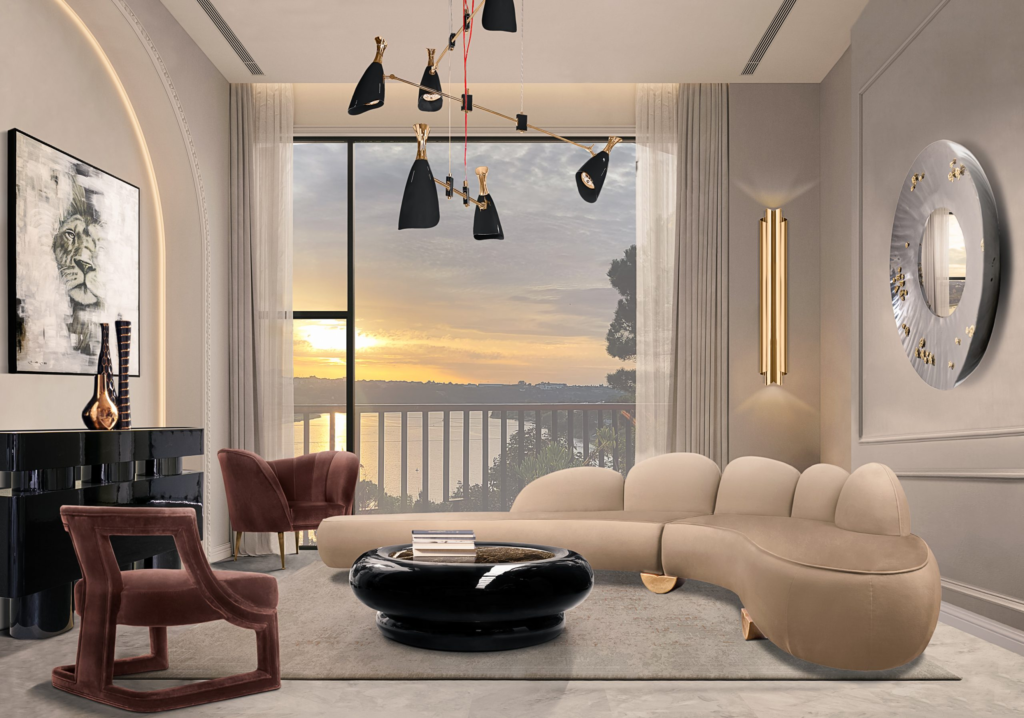
One standout trend is the incorporation of biophilic design, which emphasizes creating a connection between indoor spaces and the natural world. This approach focuses on integrating elements such as living walls, indoor gardens, and natural light to foster a sense of well-being and tranquility. By bringing nature inside, biophilic design not only enhances the visual appeal of a space but also contributes to the overall health and comfort of its occupants. This trend underscores a growing recognition of the importance of nature in our daily lives and its positive impact on mental and physical health.
Another significant shift is the rise of adaptive spaces that respond to the changing needs of their users. In increasingly compact living environments, there is a growing demand for multifunctional furniture and flexible layouts. Pieces like modular sofas, foldable tables, and expandable storage solutions are becoming essential for maximizing space and improving functionality. This trend reflects a broader movement towards creating environments that are not only stylish but also highly practical and adaptable to various uses and lifestyles.
The use of sustainable materials is also gaining traction in interior design. As awareness of environmental issues rises, there is a concerted effort to reduce the ecological footprint of home design. Materials such as reclaimed wood, recycled metal, and low-impact fabrics are being favored for their minimal environmental impact and unique aesthetic qualities. Sustainable design not only contributes to environmental conservation but also offers a distinctive and authentic look that resonates with eco-conscious homeowners.
Color psychology is another crucial aspect influencing modern interior design. Designers are increasingly leveraging the power of color to create specific atmospheres and evoke emotional responses. For example, serene blues and greens are used to create calming environments in bedrooms, while vibrant yellows and oranges can energize social spaces like kitchens and living rooms. This thoughtful application of color helps to enhance the mood and functionality of different areas within a home, making the living environment more harmonious and engaging.
Finally, the emphasis on personalization is transforming how interior spaces are designed and decorated. Rather than opting for generic, mass-produced items, there is a growing preference for bespoke and custom-made furnishings that reflect individual tastes and stories. This trend allows homeowners to infuse their spaces with unique pieces that resonate on a personal level, creating a more meaningful and individualized living environment. From handcrafted furniture to custom artwork, personalization adds depth and character to interiors, making each space truly one-of-a-kind.
In summary, contemporary interior design is characterized by a dynamic interplay of nature, functionality, sustainability, psychology, and personalization. By integrating biophilic elements, creating adaptive spaces, prioritizing sustainable materials, applying color psychology, and embracing personalization, designers are redefining how we experience our living environments. These cutting-edge strategies not only enhance the aesthetic appeal of interiors but also contribute to creating spaces that are practical, meaningful, and deeply connected to the needs and preferences of their inhabitants. As these trends continue to evolve, they promise to shape the future of interior design in exciting and transformative ways.
