Introduction: A Glimpse of Tomorrow in a Box
Have you ever wondered if machines will one day decide to organize themselves more efficiently than we do? I picture assembly lines like living ecosystems—robots nudging boxes, sensors whispering status updates—(a little sci-fi, sure) and the numbers back it up: recent throughput gains of 20–40% in pilot lines when systems share data. The automatic case packer sits at the center of that scene. I’ve watched lines where a single packer became the bottleneck, and I’ve audited sites where collaborative layouts doubled uptime within months. This raises a clear question: how do we move from isolated automation islands to coordinated systems that actually improve output and reduce waste?
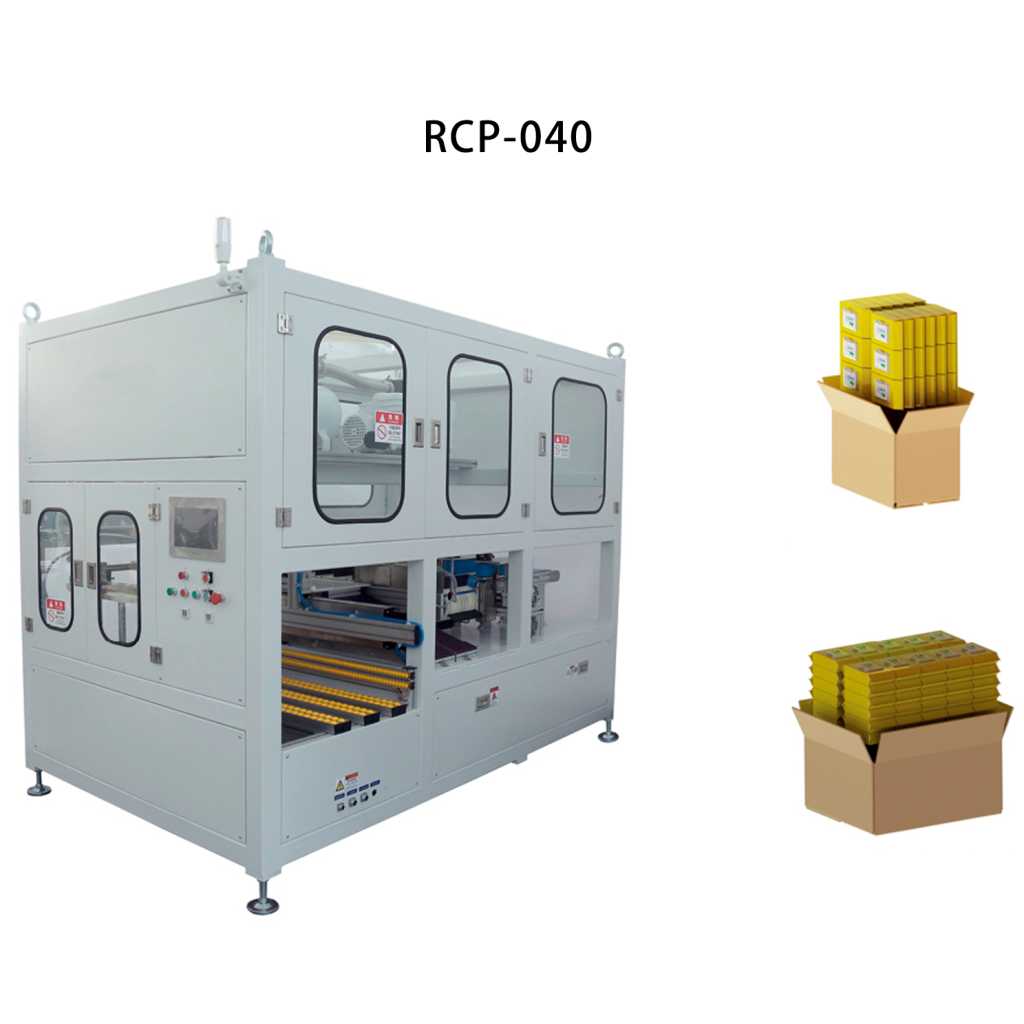
I’ll keep this simple and direct. You’ll see terms like servo motors, conveyor integration, and PLC thrown around because they matter to how a packer plays with the rest of the line. I want to share what I’ve learned, not lecture. Think of this as a guided tour—short stops, real data, and a few opinions. Next, I’ll dig into the deeper faults of traditional approaches and why those human headaches persist.
Part 2 — Why Traditional Systems Fail the Line
When we talk about the automatic case packer machine, I’m referring to more than a box-loader. It’s the link between upstream packing and downstream palletizing. Yet many installations treat it like an island: static timing, rigid pick-and-place cycles, and minimal feedback loops. The result? Frequent line stops, excessive changeover labor, and frustrated operators. Technical issues—mismatched servo motor tuning, poor vision systems calibration, and brittle PLC logic—explain a lot of the downtime. Look, it’s simpler than you think: if the packer can’t adapt to small variation in carton size or product spacing, the whole line pays the price.
I’ve seen two recurring failure modes. First, the “one-size-fits-all” configuration where a packer is tuned to a single SKU and then struggles when SKUs change. Second, the “data vacuum” where sensors report status but no one builds downstream control logic to react. Those gaps lead to manual interventions and slowed throughput. From a technical view, the cure requires better sensor fusion (vision plus weight checks), smarter motion profiles for servo motors, and modular PLC code that supports quick recipe swaps. If you’re guessing I’m optimistic—well, I am—but grounded: the fixes are practical and measurable.
What exactly breaks during a changeover?
Short answer: timing. The conveyor integration often falls out of sync with the packer’s pick-and-place arm. Vision systems misread labels, and safety interlocks—meant to protect—stall the line. We patch these with manual tweaks, but that’s just a bandage. I’ve helped teams rewrite PLC sequences and retune drives; results came fast. — funny how that works, right?
Part 3 — Principles for Smarter, Future-Proof Lines
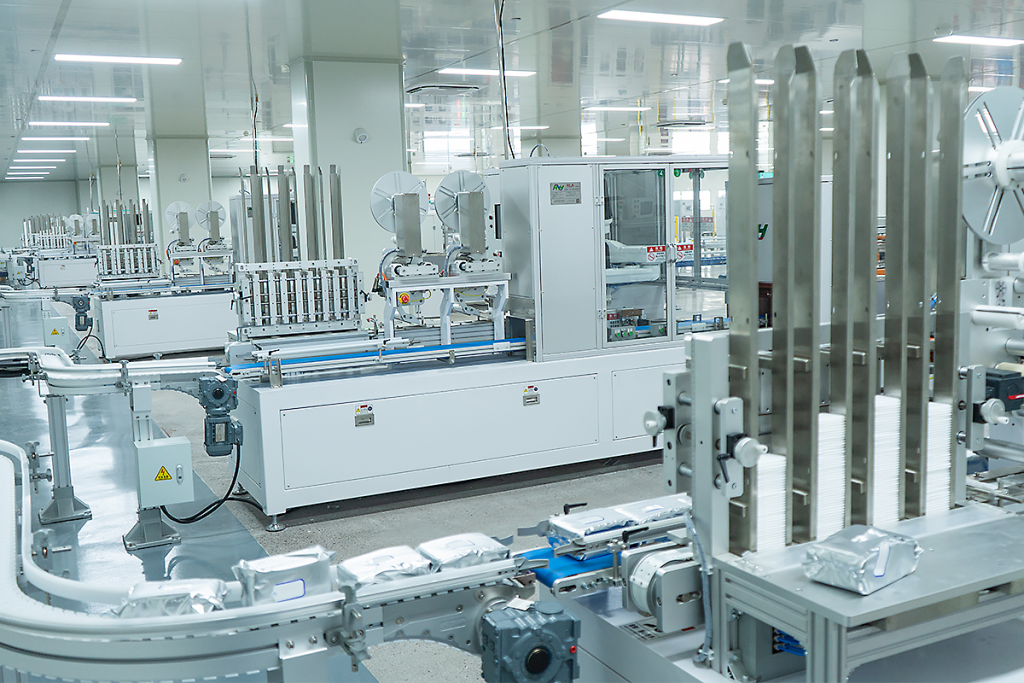
Moving forward, I advocate for three technology principles that change how an automatic case packer machine integrates into the broader system. First: adaptive control. Use real-time feedback from vision systems and weight sensors to alter motion profiles on the fly. Second: modular software. Break PLC logic into swap-in modules so you can handle SKU switches without a week of downtime. Third: edge intelligence. Let local controllers make simple decisions (yes, edge computing nodes) and reserve the cloud for trend analysis. These principles reduce fragility and increase resilience.
In practice, that means selecting packers with accessible APIs, robust conveyor integration features, and support for common fieldbus protocols. We should demand better diagnostics—clear fault messages, not cryptic codes—and visual dashboards that the floor team can act on. The gains? Faster changeovers, fewer jams, and lower mean time to repair. It sounds like extra work up front, and it is, but the payoff comes quickly. — and yes, it sounds simple.
What’s Next: How to Choose and Measure Success
Before you invest, I recommend three evaluation metrics to compare systems: 1) Changeover Time Reduction — measure average minutes per SKU swap. 2) Effective Throughput — real boxes per hour under mixed-SKU runs. 3) Mean Time to Repair (MTTR) — how fast can the team clear faults with provided diagnostics. Use these metrics to score vendors and to validate any retrofit or new purchase. I’ll add one practical tip: trial with a representative SKU mix, not just the ideal case; that reveals hidden pain points quickly.
To wrap up—briefly and honestly—I prefer practical deployments that favor flexibility over theoretical peak rates. We want lines that keep running when reality gets messy. If you ask me who’s building sensible systems, I point to suppliers that emphasize modular control, strong diagnostics, and open interfaces. That’s the kind of partner that helps your team win. For more, take a look at ZLINK’s resources: ZLINK.
