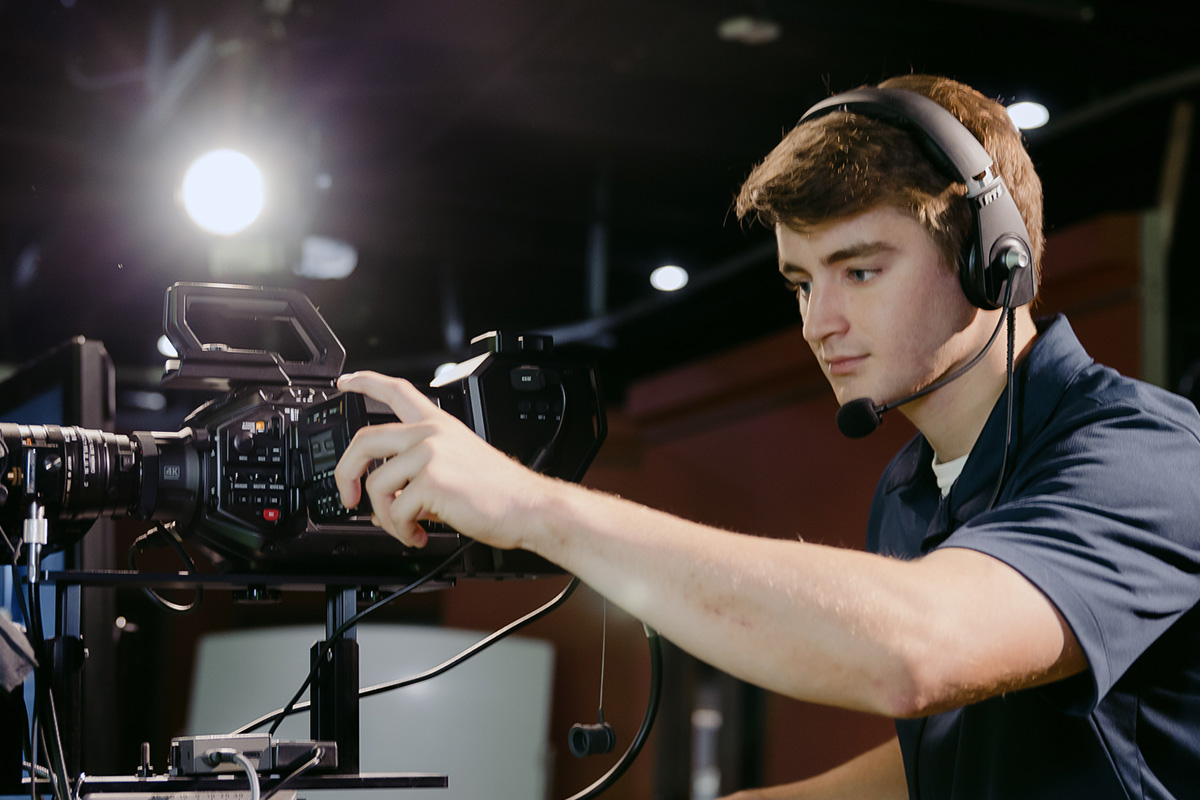
The role of women in sports broadcasting has undergone a significant transformation in recent decades, with women increasingly taking on prominent positions in a field historically dominated by men. As the sports industry continues to evolve, women are breaking barriers, challenging stereotypes, and reshaping the way sports are presented to audiences 스포츠중계. From pioneering sports broadcasters to the rising number of women in analyst and commentator roles, the impact of women in this space is undeniable. Their contributions are not only changing the landscape of sports media but also inspiring the next generation of women to pursue careers in broadcasting.
One of the key reasons women are making strides in sports broadcasting is the growing recognition of the importance of diversity and inclusion. Traditionally, the sports broadcasting world has been a male-centric domain, with women often relegated to sideline reporting or lesser roles. However, as the conversation around gender equality has gained momentum in recent years, more women are being given the opportunity to take on influential roles as play-by-play announcers, analysts, and hosts. Networks are realizing that a diverse range of perspectives enhances the viewing experience and attracts a broader audience, leading to an increased representation of women in high-profile positions.
In addition to greater visibility, women in sports broadcasting are also using their platforms to challenge outdated gender norms and stereotypes in sports coverage. Female broadcasters are not just presenting the facts but also offering insightful commentary, analysis, and perspectives on the games they cover. Women like Doris Burke in the NBA, Sarah Spain in sports journalism, and Pam Oliver in NFL coverage have proven that expertise and passion for sports are not confined to any gender. These women are not only breaking barriers within the industry but are also inspiring viewers—especially young girls—by showing that they can pursue careers in sports broadcasting, regardless of societal expectations.
The rise of social media has also played a significant role in amplifying the voices of women in sports broadcasting. Platforms like Twitter, Instagram, and Youtube have allowed female broadcasters to build their own personal brands, engage directly with fans, and create spaces for meaningful conversations around sports. This direct connection with fans has enabled women to become more influential and visible in the sports world, allowing them to showcase their knowledge and passion for the games they cover. Additionally, social media has given these broadcasters the chance to push back against sexist comments and media scrutiny, building a supportive community that advocates for equality in sports media.
Despite the progress that has been made, challenges still remain for women in sports broadcasting. Although women are breaking into traditionally male-dominated roles, they continue to face unique obstacles, such as gender bias, unequal pay, and the pressure to constantly prove their credibility. Female broadcasters often find themselves being scrutinized more harshly than their male counterparts, with their appearance and personality frequently coming under unnecessary scrutiny. However, the determination and resilience shown by women in the industry have helped to pave the way for future generations of broadcasters who can expect greater opportunities and a more inclusive environment.
In conclusion, the role of women in sports broadcasting has evolved significantly, with women now making their mark as analysts, commentators, and anchors. While challenges remain, the barriers being broken today are paving the way for more inclusive and diverse sports media. As the industry continues to grow and evolve, women will undoubtedly play a central role in shaping the future of sports broadcasting, ensuring that sports coverage is more representative, dynamic, and accessible to all audiences. Their influence is undeniable, and their continued success will inspire future generations to challenge norms and push for equality in all aspects of sports media.
